AI made writing faster. It didn’t make the output deliverable.
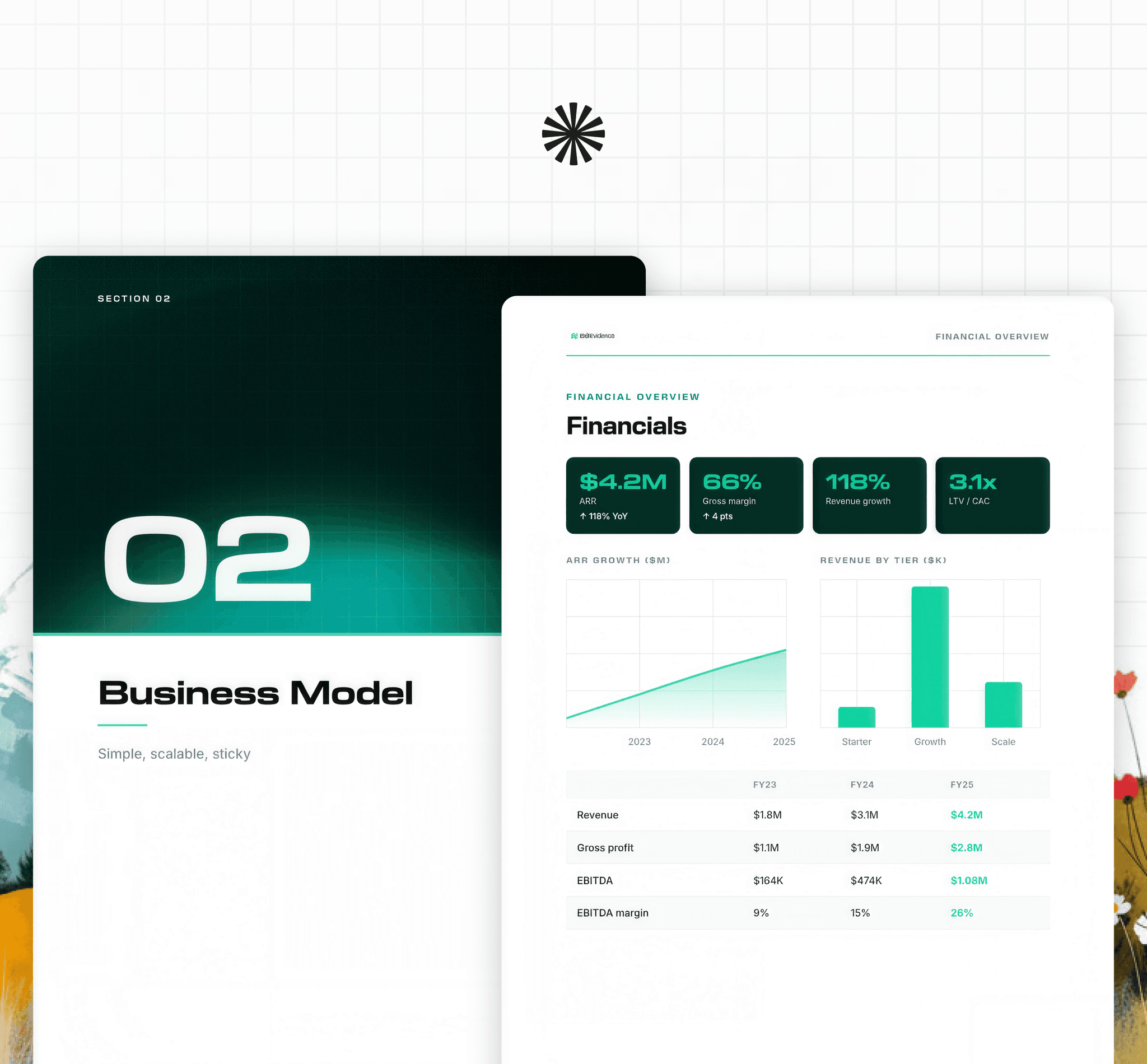
A team can generate a proposal, report, strategy document, investment memo, or client deliverable in minutes now. Then the awkward part begins. The content moves into Google Docs, Word, Canva, PowerPoint, or a design template. Someone fixes the hierarchy. Someone applies the brand. Tables get rebuilt. Sections get rearranged. Formatting breaks. The PDF gets exported, reviewed, changed, exported again, and eventually sent to the client. The intelligence became dramatically faster. The document workflow around it didn’t. I started building Docsy around that gap: the layer between generated content and the thing a company is actually comfortable putting in front of a client. The bottleneck moved from writing the document to finishing it.
From blank page to client-ready in under five minutes. Docsy started with a simple observation: AI could generate the content faster than teams could turn that content into something worth delivering. Building around that problem changed what the product needed to be. It couldn’t just be an AI writer. It needed a document model, an editor, a rendering system, organization-level branding, multi-tenancy, permissions, AI usage infrastructure, administrative tooling, and a client-facing delivery experience. Those pieces now operate as one system. A document can move from initial content to a structured, branded, client-ready deliverable in under five minutes, without the author manually rebuilding hierarchy, typography, spacing, or presentation every time. The document stopped being the file created after the real work was finished. It became part of the workflow itself. From generated content to something you’d actually put your name on.